7 Psychological Reasons Why Players Cheat: Why Do We Break the Rules?

Hello, fellow gamers! Cheating is something most of us agree ruins the fun, fairness, and overall community of a game. Despite this, we still see a significant number of players choosing this shortcut, whether in competitive E-Sports, online matches, or even casual single-player sessions. This article dives into the psychological motivations that drive players to cheat even when they are fully aware of the consequences.
1. The Desire for Instant Victory

Psychologically, the urge for a quick win stems from Instant Gratification. The human brain releases dopamine when experiencing victory or recognition. Some players choose to cheat to skip the long process of practice and effort. When a game requires high skill or a significant time investment, cheating is viewed as a shortcut that provides immediate emotional satisfaction, often overriding logical reasoning.
2. Perceived Injustice in the Game System
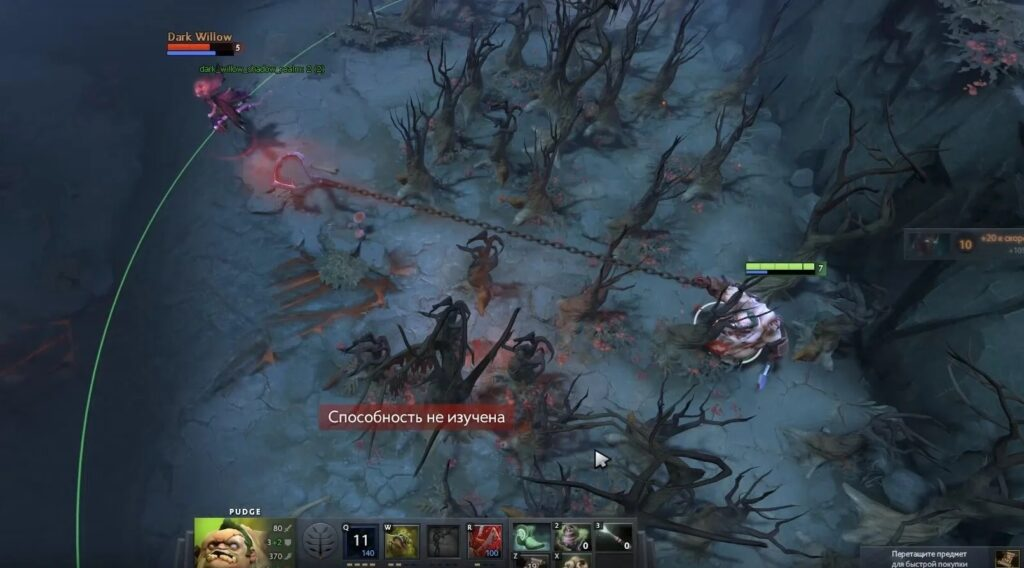
When players feel a game is unfair, such as through unbalanced matchmaking, facing vastly superior opponents, or dealing with Pay-to-Win mechanics, they begin to justify their behavior. This is known as Rationalization. Players might not see cheating as “wrong” but rather as “rebalancing” themselves to where they “should be.” When trust in the system breaks, cheating becomes a solution rather than a violation.
3. Competitive Pressure and Rank Anxiety

Ranked systems turn games into platforms for proving one’s worth to others. Publicly displayed ranks and stats create direct psychological pressure. When the fear of losing or dropping in rank sets in, the brain enters survival mode. In this case, cheating isn’t just about gaining an advantage; it is a defense mechanism to escape the feeling of failure or inferiority associated with a low rank.
4. Ego and Self-Worth Validation
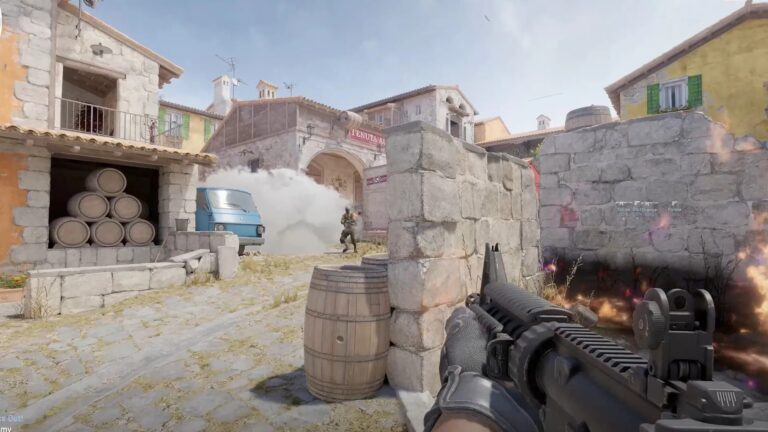
For some, gaming is a reflection of their identity. When in-game results don’t meet expectations, the ego is bruised. To protect their self-image, players may turn to cheating as a tool to “confirm” their true ability, blaming the system or external circumstances for their lack of progress. This mechanism reduces mental pain but prevents actual skill development.
5. Social Influence and Peer Pressure
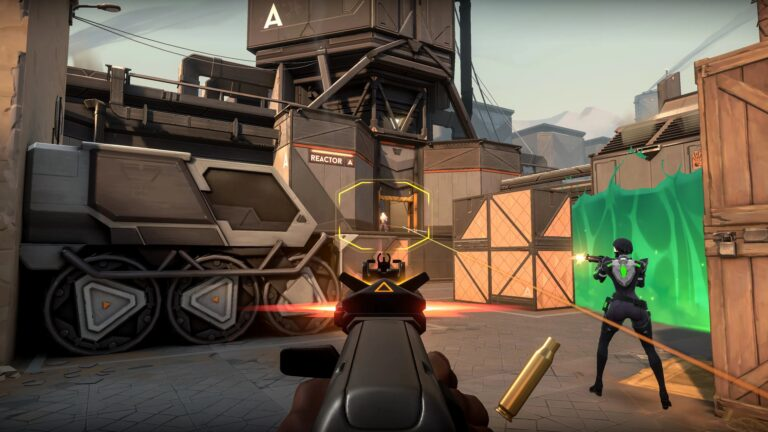
Player behavior is inevitably influenced by their environment. If a player sees friends, community members, or even content creators cheating without being punished, the brain learns that the behavior is socially acceptable. Social Proof makes cheating feel less like a serious offense. When the line between right and wrong blurs, guilt fades, and cheating becomes a repeatable social habit.
6. Curiosity and Challenging the System
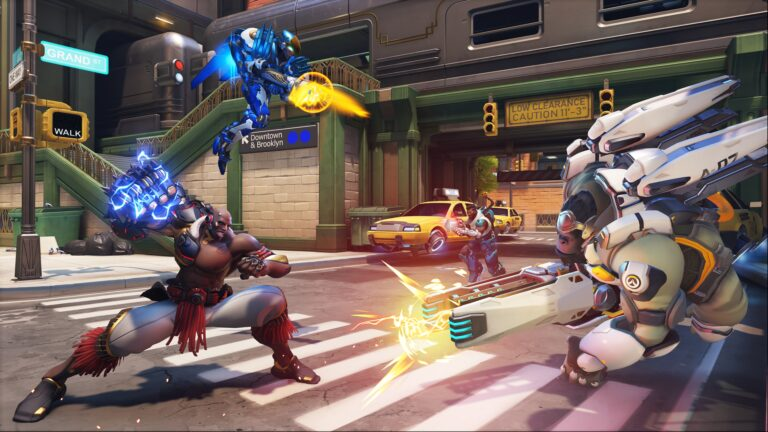
Some groups don’t cheat for the win, but to test the boundaries of the game. This is driven by the desire to prove one’s intelligence. Exploiting loopholes makes these players feel smarter than the developers. The thrill of seeing how far a game can “break” becomes its own form of entertainment, stimulated by dopamine regardless of the rules.
7. Anonymity and Detachment from Reality
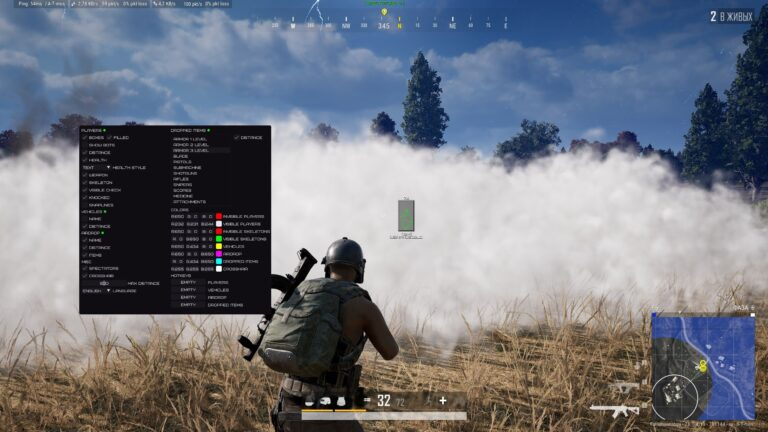
The digital world allows for a clear separation between an online persona and a real-life identity. This is known as the Online Disinhibition Effect. Without direct social consequences or being known personally, players feel bolder. Cheating online doesn’t trigger the same level of shame as cheating in person. The game character is seen as just a role, leading to a subconscious reduction in moral responsibility.
At the end of the day, cheating is essentially a “skill issue” wrapped in a psychological safety blanket. While it is fascinating to see how the brain tricks itself into thinking a wallhack is just “balancing the scales,” it ultimately robs the player of the only thing that actually matters in gaming: the satisfaction of growth. If you have to break the game to feel like a winner, you have already lost the most important match against your own ego.