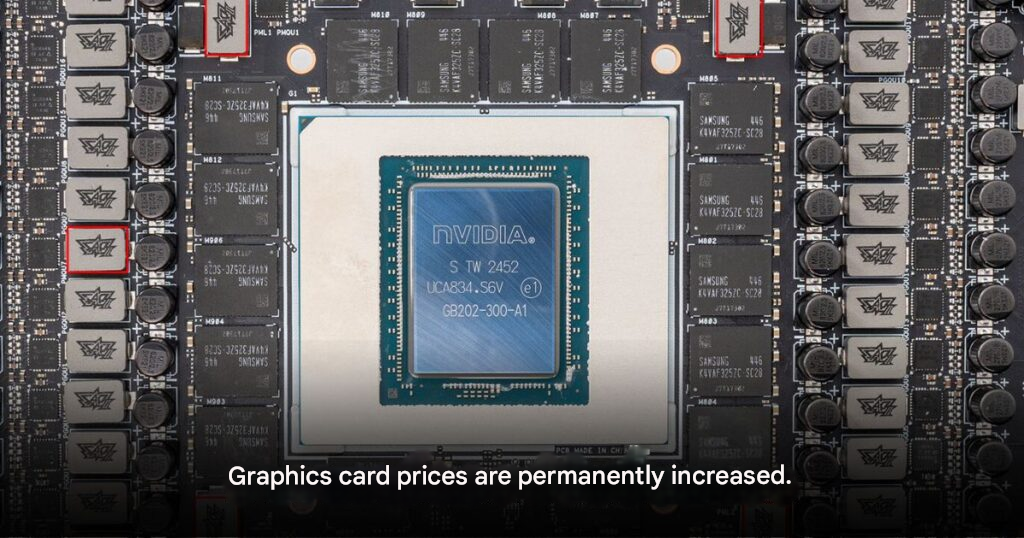
Gamers Brace for a New Era of Rising Hardware Costs
The global gaming hardware market is heading into another challenging period as GPU prices face intense upward pressure, driven largely by the explosive growth of AI technologies that demand massive computing power. Combined with the continued surge in DDR5 memory demand, production costs have reportedly climbed to levels that manufacturers can no longer absorb—setting the stage for higher retail prices starting in 2026.
According to a report from South Korean media outlet Newsis, citing credible industry insiders, major GPU players AMD and NVIDIA are preparing a systematic price increase plan for their graphics cards. Unlike temporary market-driven adjustments, these increases are expected to be gradual but permanent, with implementation beginning in early 2026. The news has sparked widespread concern among gamers and PC users worldwide, especially those planning upgrades in the near future.
The report claims that AMD is expected to move first, initiating price adjustments as early as January 2026, followed by NVIDIA in February. This shift is described not as a short-term reaction, but as a complete restructuring of GPU pricing models to better align with production costs that show little sign of easing anytime soon.
Flagship GPU Prices Could Reach New Extremes
One of the most alarming projections involves flagship models. Industry estimates suggest that NVIDIA’s RTX 5090, which reportedly launched at USD 1,999, could soar to as high as USD 5,000 by the end of 2026 if cost pressures continue unchecked. While no concrete figures have yet emerged for AMD’s upcoming RX 9000 series, analysts expect a similarly steep upward trend.
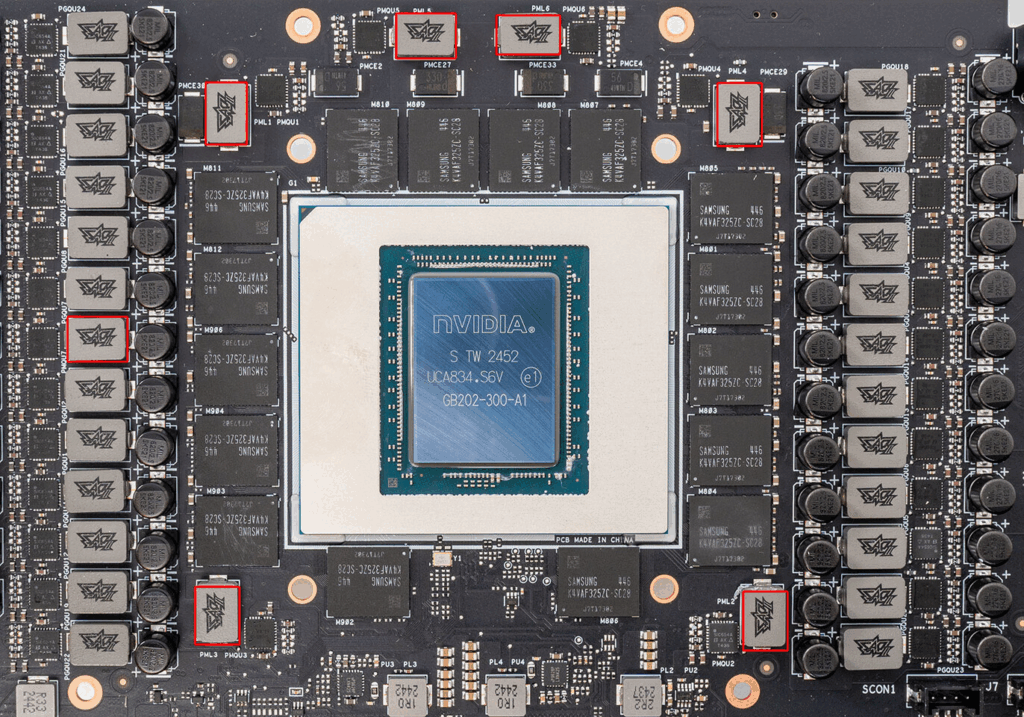
At the heart of the issue is memory cost, which insiders estimate now accounts for up to 80% of total GPU manufacturing expenses. DRAM prices alone are forecast to rise by an additional 40% by Q2 2026, fueled by volatility in the memory market and relentless demand from AI-focused data centers. These increases are expected to translate directly to higher prices on store shelves.
Ripple Effects Across the Entire Hardware Industry
The impact of this crisis is not limited to graphics cards. Rising component costs are also affecting launch timelines and pricing strategies for future hardware, including next-generation gaming consoles. Some manufacturers may be forced to delay releases or adjust prices upward to remain viable.
Notably, ASUS has already signaled what’s coming by announcing hardware price increases effective from January 2026, reinforcing the view that the broader hardware market is entering a period of sustained cost inflation.
For gamers across the SEA Region / Southeast Asia and beyond, the message is clear: the age of relatively affordable high-end PC gaming hardware may be coming to an end, shaped by forces far beyond the gaming industry itself.
Source: Techpowerup