12-Year-Old Japanese Gamer Quits School to Chase Esports Full-Time
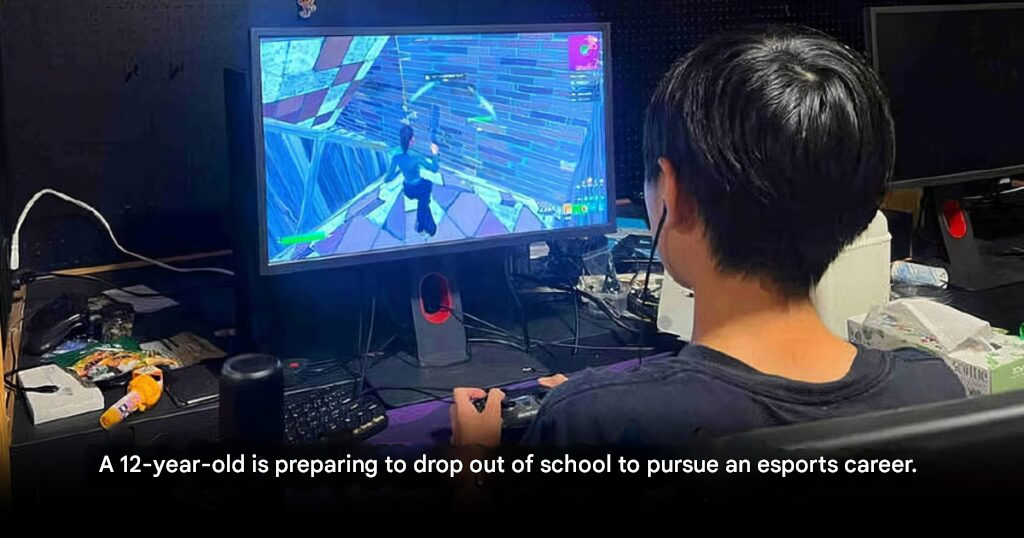
The Esports world is rapidly expanding, and it’s not just adults or teens getting involved. Recently, a hot topic emerged in Japanese society when a 12-year-old streamer decided to leave compulsory schooling to fully commit to Esports, igniting widespread debate over education, children’s futures, and the appropriateness of pursuing dreams at such a young age.
12-Year-Old Japanese Gamer Chooses Esports Over School – Fortnite Focus
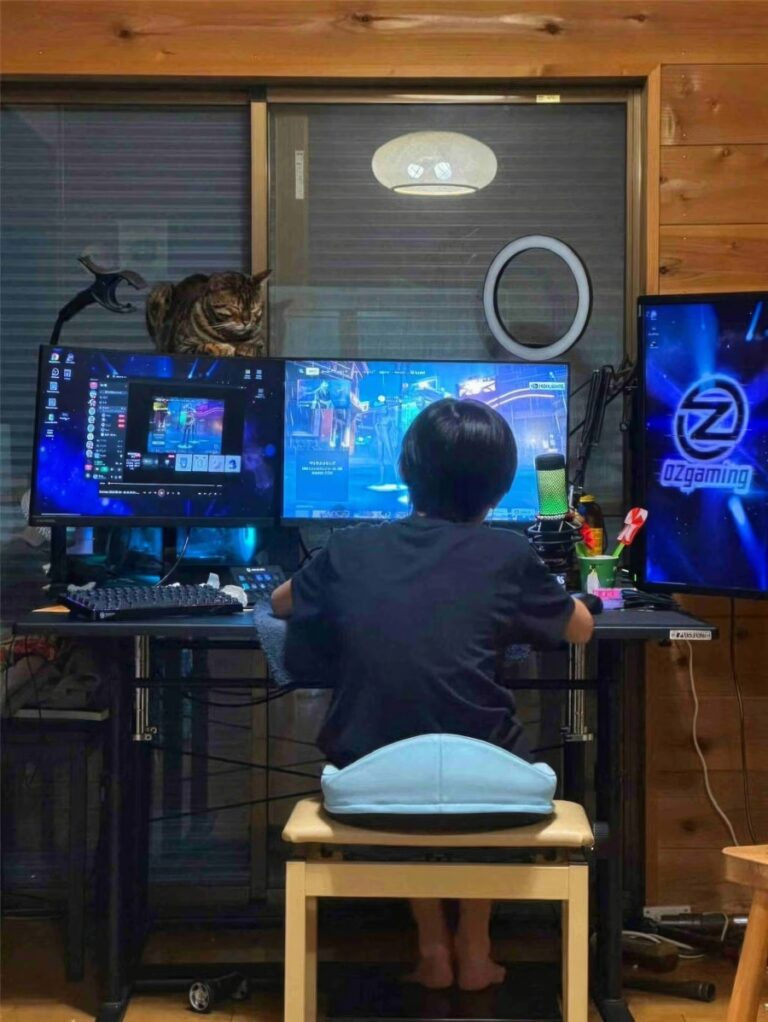
Tarou, a 12-year-old Japanese gamer and streamer, announced online on February 8 that he will not continue to junior high school after finishing elementary school, choosing instead to dedicate himself to being a professional Esports player. He explained that this decision followed over a year of discussion with both his family and school, emphasizing that he wants to balance Esports training with rest, exercise, and alternative learning.
Tarou began playing video games at just three years old and showed exceptional talent early on. His family revealed that he was able to defeat professional-level players by the second grade. Under guidance from professional Esports athletes, he launched his social media channels in 2020, primarily streaming Fortnite, and now has over 230,000 followers. His ultimate goal is to compete in the Fortnite World Cup, which requires intensive daily training of at least 10 hours.
Tarou’s family, particularly his father, fully supports his decision, explaining that professional Esports training is even more rigorous than conventional sports. Top-level players in Asia often train 10–12 hours a day for several consecutive years. Attending regular school could prevent a child from maintaining the physical and mental stamina required for competitive gaming. The family also believes Tarou’s concentration abilities are significantly higher than those of his peers.
Although Japan requires nine years of compulsory education and it’s unclear whether Tarou will pursue homeschooling, his decision has sparked intense discussion online. Some argue he is missing crucial school experiences, while others support his right to fully pursue his dream. Tarou’s case reflects a broader societal question: in the modern age, which path better prepares a child for the future—traditional schooling or opportunities in the Esports world?
Source: SCMP