Survey Shows Most Users Still Stick With iOS 18 Despite Major iOS 26 Redesign
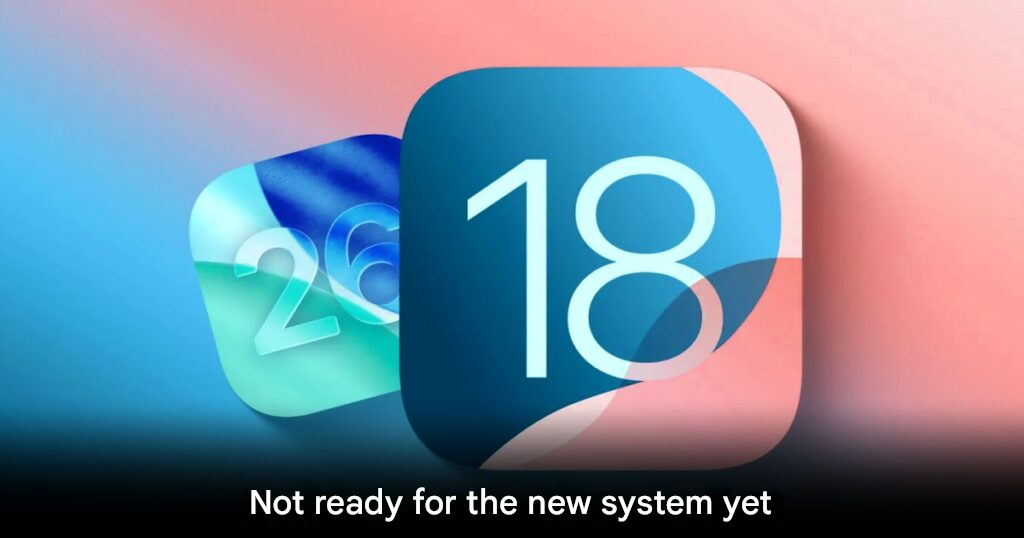
Although iOS 26 has been available for nearly four months, a recent report from Statcounter indicates that adoption of Apple’s latest mobile operating system remains unexpectedly low. As of January 2026, only around 16 percent of iPhone users worldwide have upgraded to iOS 26. This figure includes approximately 10.6 percent on iOS 26.1 and 4.6 percent on iOS 26.2.
In contrast, more than 60 percent of users continue to rely on iOS 18, with versions 18.7 and 18.6 emerging as the most widely used releases. The gap between the two versions is unusually large when compared to previous upgrade cycles.
A Sharp Contrast With Previous iOS Generations
Historically, new iOS versions have seen rapid adoption. During the same post-launch period last year, iOS 18 itself reached 63 percent adoption within four months. Even iOS 17 achieved close to 50 percent adoption over a similar timeframe.
Analysts believe the hesitation surrounding iOS 26 may be linked to its Liquid Glass design, which introduces translucent layers and rounded, bubble-like UI elements. This redesign represents Apple’s most significant visual overhaul since iOS 7. While visually bold, user feedback has been mixed, with some reporting that the interface feels unfamiliar and less intuitive for everyday use.

Stability Concerns Add to User Hesitation
Beyond aesthetics, stability has emerged as another key concern. Early versions of iOS 26 have been associated with bugs and inconsistent performance, leading many users to delay upgrading until later patch updates improve reliability.
Interestingly, data from TelemetryDeck paints a different picture, suggesting iOS 26 adoption could be as high as 60 percent. This discrepancy is largely due to methodology. Statcounter tracks operating systems through browser traffic, while TelemetryDeck gathers data directly from applications using its development tools.
Apple’s Naming Shift and Its Impact
The launch of iOS 26 also marked a major shift in Apple’s naming convention, skipping from iOS 18 to align the version number with the calendar year. While intended to simplify branding, combining a new naming system with a dramatic redesign may have contributed to increased user caution.
Apple is currently testing iOS 26.3 in beta, with a public release expected in February. The company is likely hoping that improved stability will help rebuild confidence and encourage more users to migrate.
Why Many Users Prefer Staying on iOS 18
For users who remain on iOS 18, the reasoning is simple. The system is stable, familiar, and continues to receive regular security updates from Apple. With no urgent need to upgrade, many see little downside in waiting.
Additionally, some of iOS 26’s headline features, such as Apple Intelligence and Battery Intelligence, are limited to iPhone 15 Pro models and newer. For users on older devices, the benefits of upgrading are less compelling.
Looking Ahead
As Apple prepares its next wave of updates, the long-term success of the Liquid Glass design philosophy remains uncertain. Whether iOS 26 will eventually match the adoption rates of its predecessors will depend largely on stability improvements and user confidence.
For now, iOS 18 remains the clear favorite among iPhone users, proving that familiarity and reliability can outweigh even the most ambitious redesigns.
Source: 9to5Mac