Shift Up CEO: AI is the Only Lifeline for Small Countries to Compete in Global Gaming
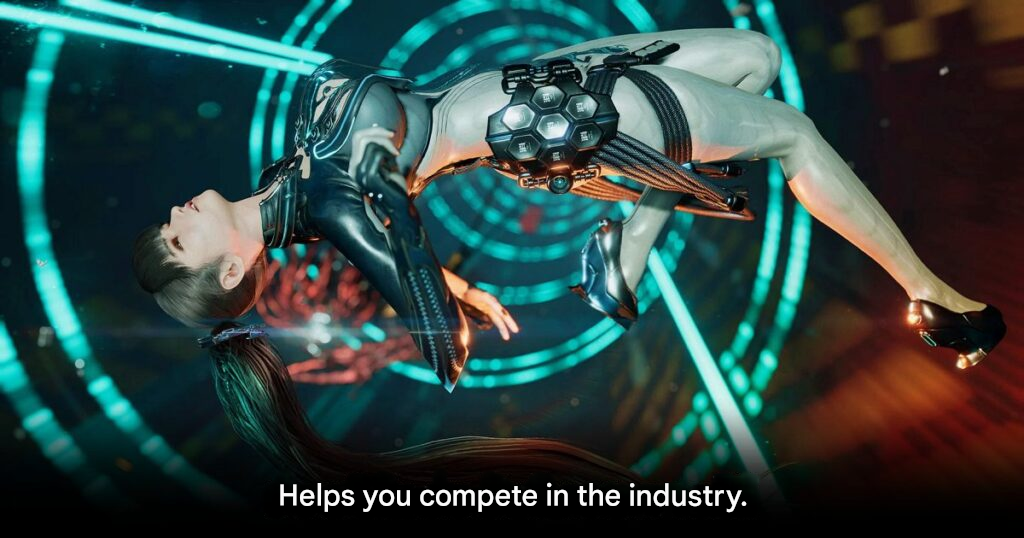
Hyung-tae Kim, CEO of Shift Up, the studio behind hits like Stellar Blade and Goddess of Victory: Nikke, shared a striking perspective at South Korea’s 2026 Economic Growth Strategy seminar: Generative AI is no longer optional – it is essential for small countries seeking to survive in the global game market dominated by giants from China and the United States.
Kim highlighted the stark difference in manpower: while Shift Up develops a game with around 150 team members, major Chinese studios can deploy 1,000 to 2,000 staff per project, gaining huge advantages in content volume and development speed. Without AI to boost efficiency, small studios would struggle to maintain competitiveness.
Despite global concerns about AI replacing jobs, Kim believes AI can secure long-term employment. By training developers to use AI, one person could achieve the output of 100, significantly increasing their value in the labor market.
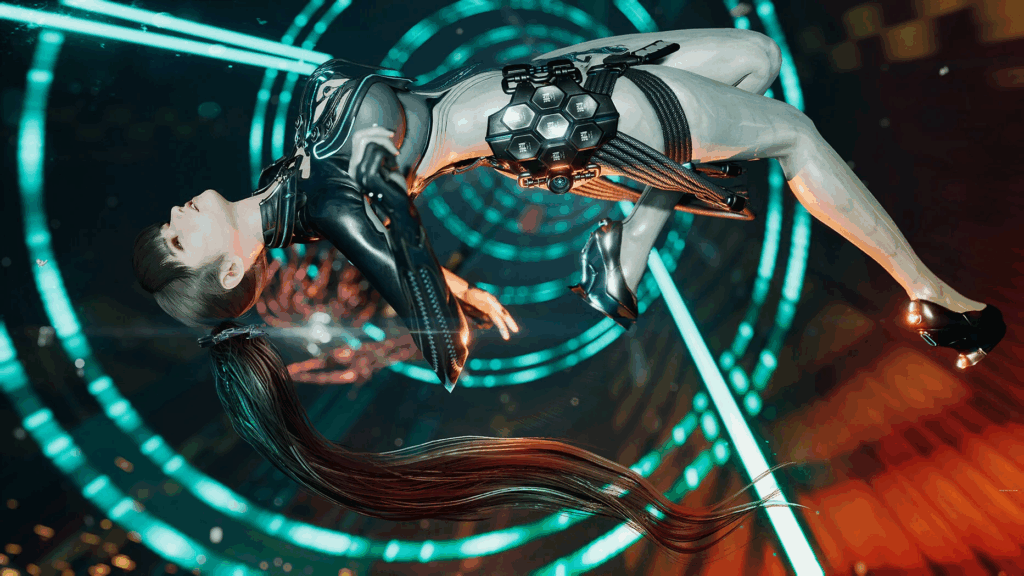
Rather than competing with global tech giants like Google in building foundational AI models, Kim advocates for API-driven platforms that integrate AI into creative workflows. South Korea’s younger generation already ranks among the top users of ChatGPT globally, positioning them as an AI-Native Generation ready for the creative industry’s evolution.
The government is also supporting this vision: the Ministry of Culture, Sports, and Tourism announced 2026 budgets to subsidize AI software for small and mid-sized game studios and promote partnerships between large and small companies, strengthening the country’s soft power in the gaming industry.
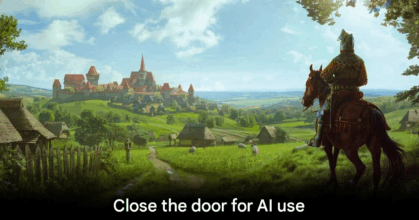
However, Shift Up’s stance contrasts with studios like Larian Studios in Europe, who have confirmed they will not use AI for concept art, aiming to preserve the artistic value of human-made creations. This divide reflects the ongoing debate in 2026: how to balance cutting-edge technology with the heart of artistic craftsmanship in games.