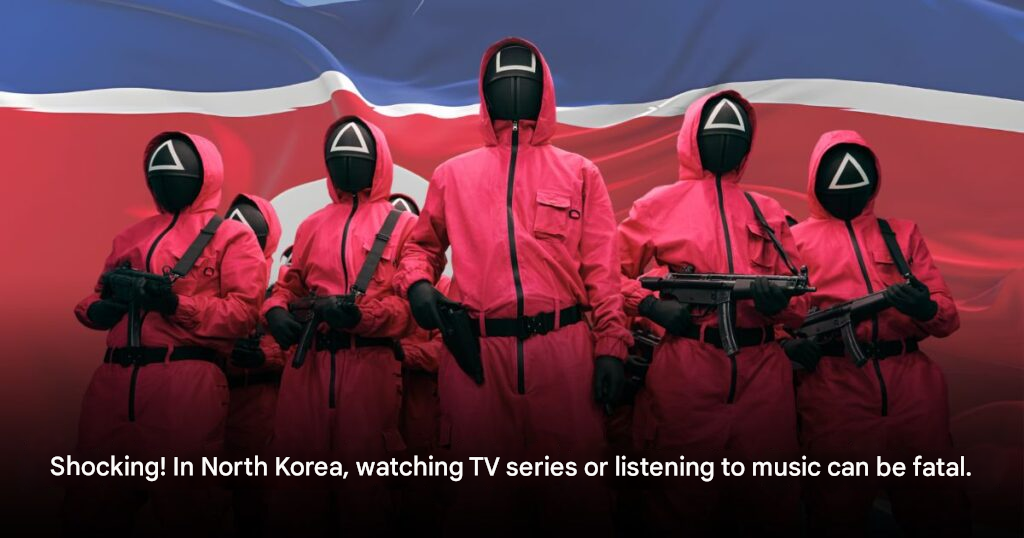
In most countries, watching a TV series or listening to music is a harmless pastime. In North Korea, however, consuming foreign entertainment can carry extremely severe penalties, including execution.
Entertainment as a Crime
According to a recent report from Australian media outlet 9NEWS, citing Amnesty International, the North Korean government continues to impose harsh punishments on citizens who watch South Korean TV shows, listen to K-Pop, or possess foreign entertainment media. In some cases, punishments reportedly include public executions.
These findings are based on in-depth interviews with North Korean defectors who fled the country between 2012 and 2020. Their accounts consistently describe foreign media consumption as forbidden and viewed by the government as a threat to the state.
The Law Behind the Crackdown
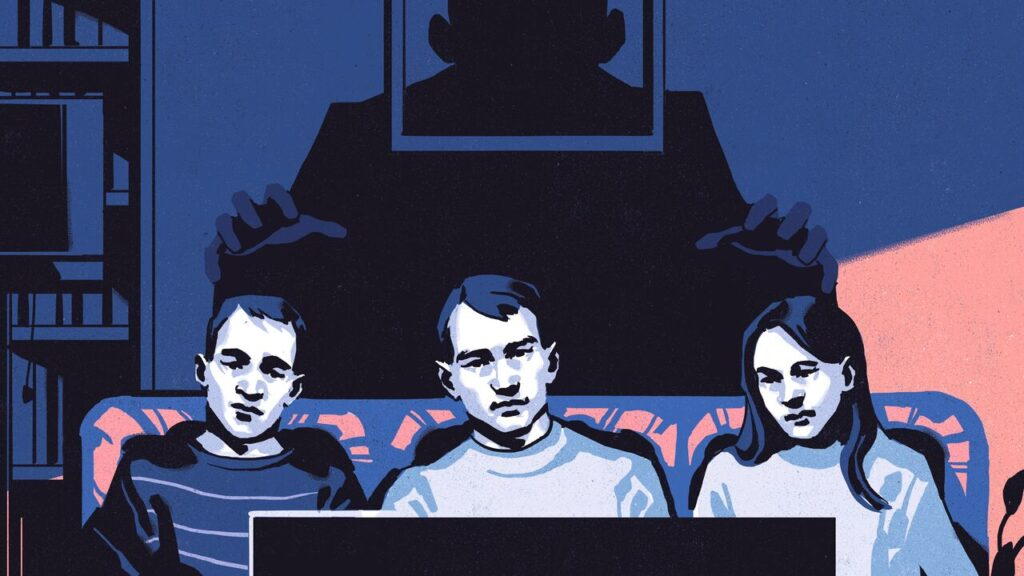
A major turning point came with the Anti-Reactionary Thought and Culture Act enacted in 2020. This law grants the state broad authority to punish anyone who watches, listens to, or distributes foreign content, including South Korean media.
Under this law, actions such as watching K-dramas, listening to K-Pop, or owning foreign films can result in forced labor for several years or even the death penalty if the content is shared publicly or in groups. South Korean media is officially labeled as “decadent ideology” by the state, believed to undermine loyalty to the regime.
Enforcement in Reality
Despite strict laws, multiple defectors report that consuming South Korean media is actually widespread, including among youths, workers, and even some government officials.
Punishments, however, are not applied equally. Severity depends on a person’s social status, wealth, or connections with officials. Some defectors explained that families with money or ties to authorities may avoid severe penalties, receiving only warnings instead.
Punishment as a Tool of Fear
Amnesty International notes that North Korea uses public punishment as a method to instill fear, maintain social control, and enforce obedience. Government units conduct inspections of homes, bags, and mobile phones without warrants to systematically suppress foreign media consumption. Punishments are not only targeted at offenders but also serve as warnings to entire communities.
When Soft Power Becomes a Threat
While Korean dramas and K-Pop are considered globally successful examples of soft power, North Korea perceives them as ideological threats. The report highlights that culture and entertainment can be as threatening to a dictatorship as political opposition or military force.
Source: 9NEWS