Toyota Unveils Fluorite Open-Source Game Engine with Console-Level Performance
Toyota Introduces Fluorite, an Open-Source Game Engine for Automotive Systems
The automotive and software industries were caught off guard when Toyota Connected North America, a subsidiary of Toyota, officially announced Fluorite, a newly developed open-source game engine designed to deliver high-quality 3D graphics and interactive user interfaces inside vehicles.
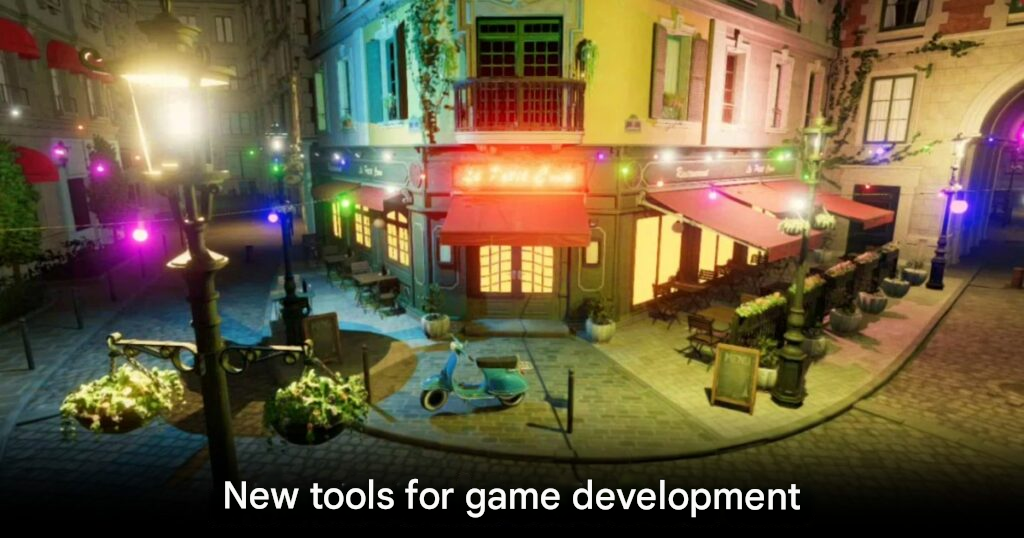
Fluorite was created to provide console-level visual performance while running on embedded automotive hardware, a space traditionally limited by strict power and resource constraints. Toyota’s goal is to dramatically improve in-car digital experiences without relying on heavy or expensive third-party engines.
Built With Modern, Developer-Friendly Technology
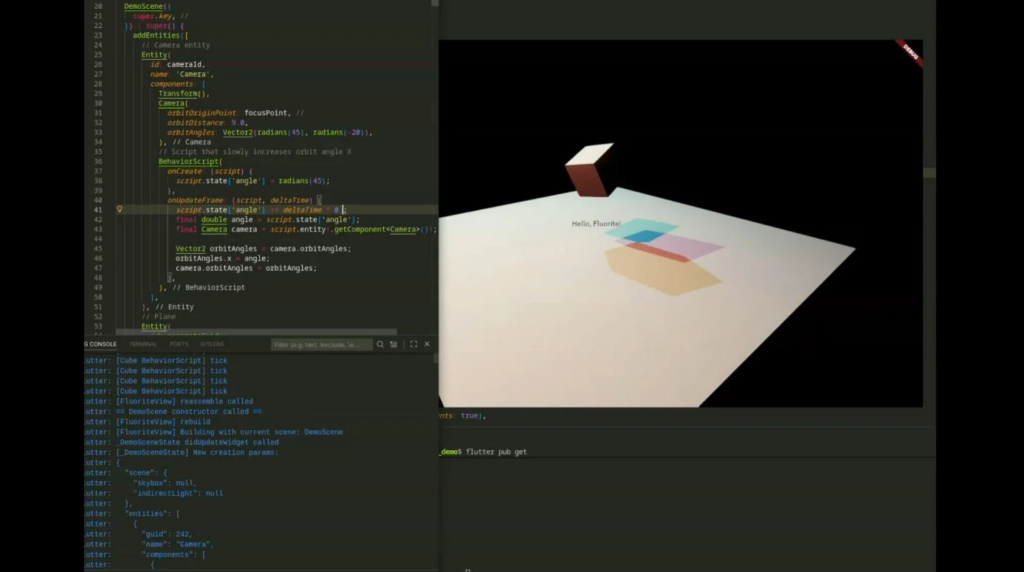
At the core of Fluorite is Dart and Google’s Flutter framework, which handle UI logic and interaction layers. This approach allows developers to reuse existing knowledge from mobile and cross-platform development, significantly reducing onboarding time.
For performance-critical workloads, Fluorite integrates a C++-based Entity Component System (ECS) architecture. This hybrid design enables efficient memory usage and fast runtime execution, which are essential for real-time 3D rendering inside vehicles.
Advanced 3D Interaction and Rendering Pipeline
One standout feature of Fluorite is its ability to define touch interaction zones directly from 3D models. Artists can configure clickable areas straight from Blender, allowing realistic 3D buttons, menus, and dashboards to be implemented with minimal additional engineering effort.
Rendering is handled through Google Filament, enabling physically based lighting, realistic shadows, and full support for Vulkan. This ensures visual fidelity comparable to modern game consoles despite operating in an embedded environment.
Why Toyota Built Its Own Engine
According to the development team, Toyota evaluated popular engines such as Unity and Unreal Engine, but found them unsuitable due to high licensing costs and excessive hardware demands. Even lighter alternatives like Godot reportedly struggled with long startup times, which are unacceptable in automotive systems where instant responsiveness is critical.
Fluorite was developed as a purpose-built solution that prioritizes fast boot times, low overhead, and long-term maintainability.
From Vehicles to Broader Platforms
Fluorite was showcased at FOSDEM 2026 in Brussels, where Toyota confirmed its initial deployment in next-generation in-car 3D displays, including models such as the Toyota RAV4 (2026).
Because Fluorite is fully open-source, Toyota acknowledges the strong possibility that the engine could later be adopted for PC, mobile applications, or even general game development, depending on community interest and contributions.
Toyota’s Shift Toward Software Leadership
This move signals Toyota’s broader transformation from a traditional automaker into a software-driven technology company. By releasing Fluorite as open-source software, Toyota aims to empower developers worldwide with high-quality tools while reducing dependency on proprietary platforms.
The source code and technical documentation are expected to be released on the project’s official website in the near future.
Origin: Automaton-Media