Why Sony Is Betting on PS5 Players, Not Consoles, to Drive Profit Growth
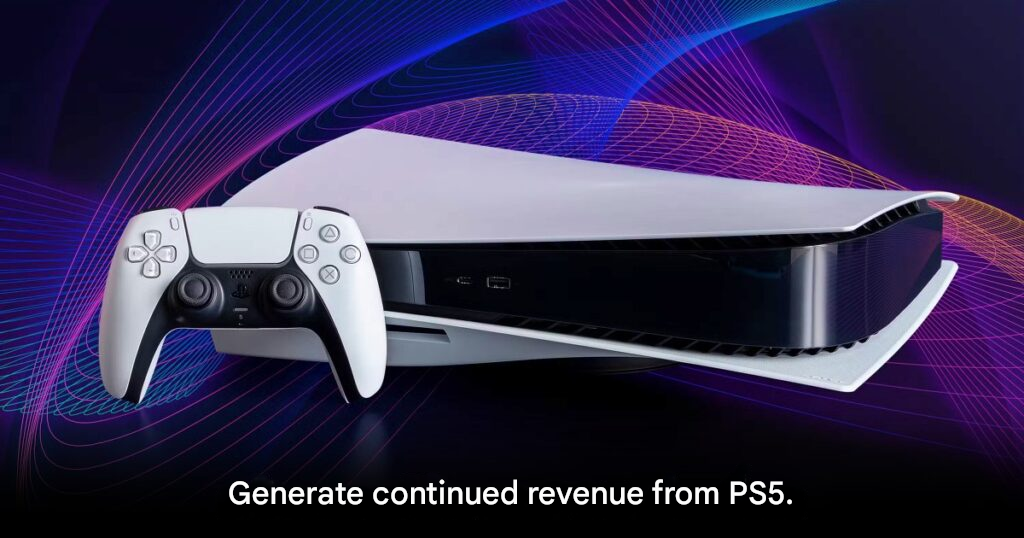
Sony Adjusts PS5 Strategy as Rising RAM Prices Pressure Hardware Margins
Despite the strong momentum of Sony’s current console generation, the global electronics supply chain is forcing the company to rethink how it makes money. As of early February, PlayStation 5 has sold more than 92 million units worldwide. However, soaring memory component prices, especially RAM, are beginning to squeeze hardware profitability.
As a result, Sony is shifting its strategy away from relying mainly on console sales. Instead, the company is focusing on extracting greater value from its existing PS5 user base through software sales and network services.
Rising RAM Costs Change the Math
During a recent earnings briefing, Sony CFO Lin Tao explained that memory chip prices continue to fluctuate sharply. RAM costs have reportedly increased by around 15 to 20 percent on the global market. This rise directly affects the cost of manufacturing each PS5 unit.
Although Sony is working closely with multiple suppliers to secure enough components for peak sales periods, absorbing these higher costs through hardware alone would significantly reduce per unit profit. Therefore, maintaining margins now depends less on selling more consoles and more on how players spend money after buying one.

Software and Services Take Center Stage
Sony’s answer lies in higher-margin revenue streams. Digital game sales, downloadable content, and subscription services generate far more profit than hardware. Consequently, the company is doubling down on its ecosystem approach.
Services such as PlayStation Plus play a central role in this plan. Subscriptions provide recurring income and keep players engaged long term. Meanwhile, digital storefront sales reduce distribution costs and increase margins compared to physical copies.
A Mature Console Cycle With a Long Future
The PS5 launched in late 2020 and is approaching its sixth year on the market. Traditionally, console lifecycles last around five to seven years. However, Sony executives have repeatedly stated their ambition to extend PS5’s lifespan closer to ten years.
Industry analysts now expect that a next generation console will not arrive until after 2028. In this context, strengthening the PS5 ecosystem makes strategic sense. Sony wants PS5 to remain the centerpiece of living rooms for several more years, even as hardware innovation slows.
Hardware Flexibility, Ecosystem Stability
Sony also emphasized that its hardware pricing strategy remains flexible. While rising component costs could pressure future pricing decisions, the company appears more focused on stability than aggressive price hikes.
By reinforcing its ecosystem, Sony aims to ensure that even if hardware margins tighten further, overall profitability remains strong. As long as players continue to buy games and subscribe to services, the business stays resilient.
The Bigger Picture for PlayStation
Ultimately, Sony’s shift reflects a broader industry trend. In an era where components grow more expensive and development costs rise, console makers can no longer rely on hardware sales alone.
For Sony, the future of PlayStation is less about how many PS5 units it ships and more about how deeply players invest in the platform. If the strategy succeeds, PS5 could remain profitable and relevant well into the latter half of the decade, regardless of hardware cost pressures.
Source: GameSpot