Yuji Horii Explains the Core Difference Between Final Fantasy and Dragon Quest
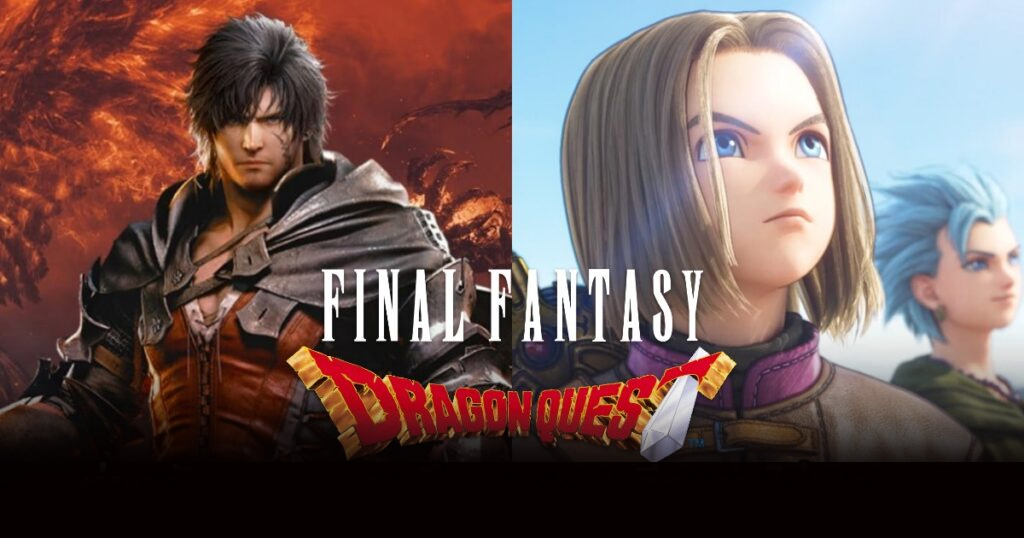
One Hero Speaks Constantly, the Other Remains Silent
Square Enix is widely recognized as one of the most influential JRPG publishers in gaming history, with Final Fantasy and Dragon Quest standing as two of its most valuable and long running franchises. While both series share classic RPG roots, their modern entries have evolved in very different directions.
At a glance, many players still associate both franchises with traditional JRPG elements such as dialogue driven storytelling, world map exploration, random encounters, and turn based combat. However, according to Yuji Horii, the creator of Dragon Quest, one fundamental design choice clearly separates the two series: how the protagonist communicates.
Silent Hero vs Expressive Lead
Yuji Horii recently addressed a long-standing question among fans regarding why Dragon Quest protagonists rarely speak, while Final Fantasy protagonists are often highly expressive and dialogue heavy.
In Final Fantasy, Horii explained, the characters are designed to be observed. Players watch the protagonists interact, argue, grow, and react to events much like characters in a cinematic story. Their dialogue is a key storytelling tool, allowing the narrative to unfold through scripted conversations and emotional exchanges.
Dragon Quest, on the other hand, takes a fundamentally different approach.
Dragon Quest Is About Becoming the Hero
From the very first Dragon Quest up to the latest mainline entry Dragon Quest XI, the protagonist remains silent by design. According to Horii, this choice exists so players can fully project themselves into the role of the hero.
Rather than listening to the protagonist’s thoughts or personality, players express intent through dialogue choices and actions. The hero does not speak independently because they are meant to represent the player’s own will, imagination, and decisions within the world.
In contrast, Final Fantasy protagonists often have predefined personalities, emotions, and character arcs that players follow rather than inhabit directly.
Two Philosophies, One Genre
While the comparison may seem simple on the surface, Yuji Horii’s explanation highlights a deeper philosophical split between the two franchises:
- Final Fantasy focuses on storytelling through clearly defined characters and cinematic presentation
- Dragon Quest emphasizes player immersion by allowing the hero to act as a blank slate
Neither approach is superior. Instead, each caters to different player preferences within the JRPG genre.
Which Style Do You Prefer?
With remake releases from both franchises arriving in the early part of this year, the contrast between these two design philosophies is more relevant than ever.
Do you prefer watching a hero’s journey unfold, or becoming the hero yourself?
Both Dragon Quest and Final Fantasy continue to define what JRPGs can be, each in their own distinct way.