5 AI Trends Transforming Games in 2025 – Smarter NPCs, Bots & Worlds
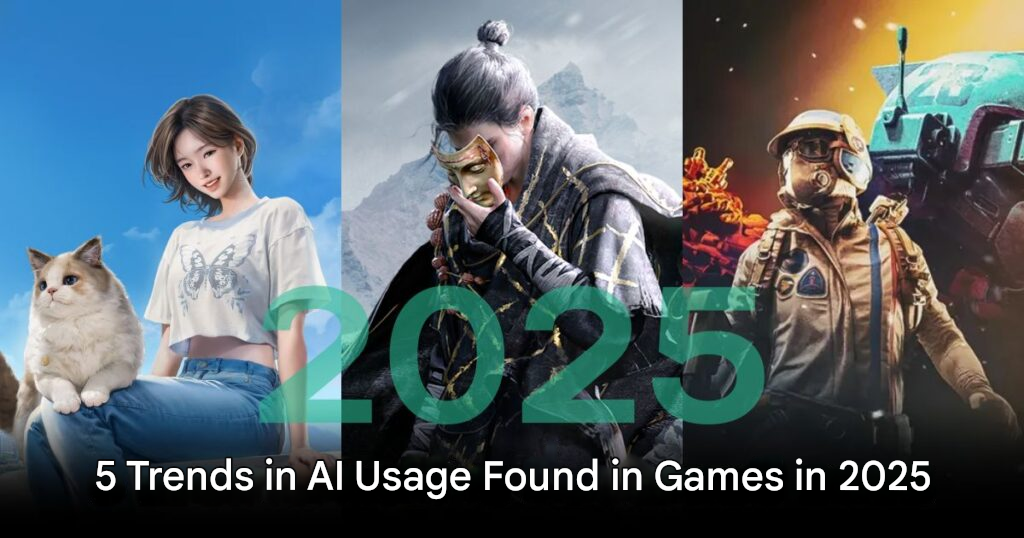
AI will not only be a matter of the backyard but will have a direct impact on the player. Here are 5 Key AI Trends Shaping Games in 2025 AI is no longer just a backend tool – it’s now shaping player experiences directly.
In recent years, AI in gaming has moved beyond behind-the-scenes tasks and procedural generation. By 2025, it has become a core element that defines the player experience. From lifelike NPCs and intelligent bots to advanced matchmaking and adaptive game worlds, AI is transforming how we play. Here are the five most notable AI trends seen in games this year and how they are redefining gameplay.
1. Lifelike and Responsive NPCs

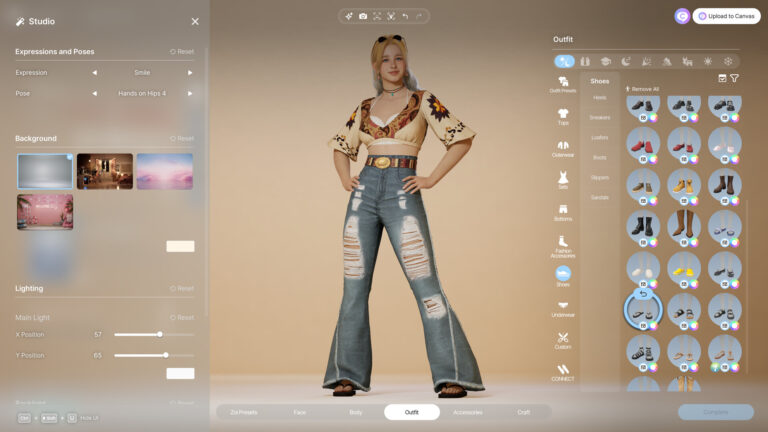
NPCs in 2025 are no longer static quest givers or repetitive dialogue machines. They now exhibit realistic behaviors, emotions, and decision-making. AI drives these lifelike interactions, allowing NPCs to react dynamically to the player and the environment. In life simulation and RPG titles like inZOI, NPCs live their own lives, form relationships, work, and make context-based choices. This creates a game world that feels alive and independent, rather than revolving solely around the player.
2. Meaningful Player-to-NPC Conversations

Games have upgraded NPC dialogue from fixed-choice systems to nuanced conversations. AI-powered chatbots and language models enable NPCs to respond intelligently, remember previous interactions, and adapt based on player history. In Where Winds Meet, for example, players can type or select dialogue freely, and NPCs respond differently depending on their relationship with the player. Conversations now enhance storytelling and personal immersion rather than being a simple quest mechanic.
3. Smarter Matchmaking Beyond Rankings
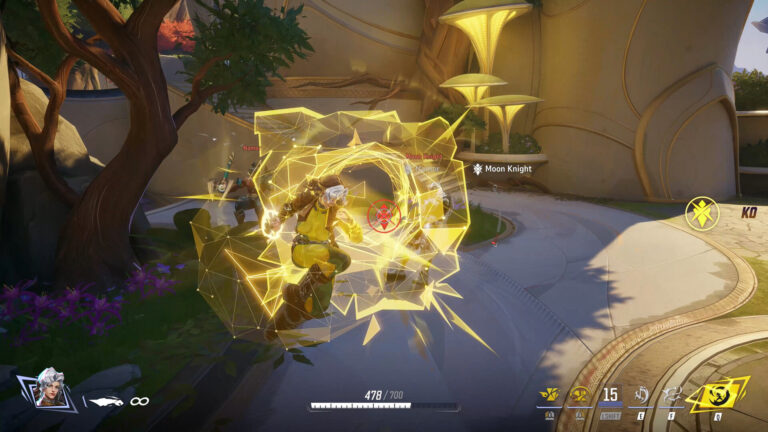
Matchmaking systems are evolving beyond simple rank or MMR metrics. AI now analyzes in-depth player behavior, including playstyle, aggression or defensive tendencies, teamwork, and even emotional patterns during matches. This ensures players are paired with others they are compatible with, rather than just equally skilled opponents. Multiplayer and competitive games using these systems reduce toxicity and create more engaging, fair, and satisfying matches.
4. Intelligent Enemy and Ally Bots
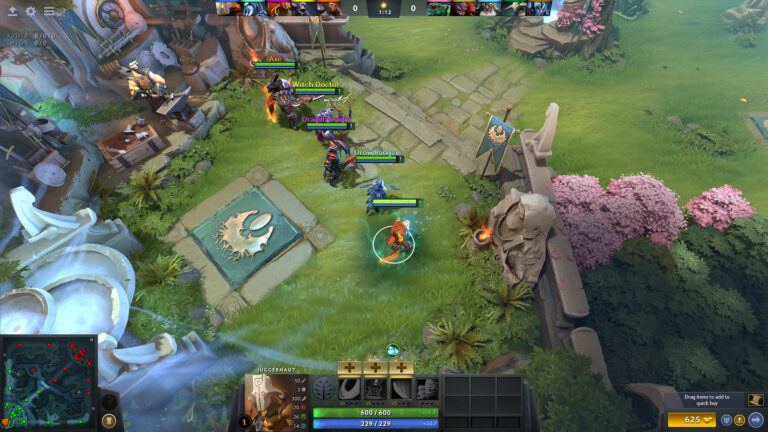
Bots in 2025 are no longer placeholders for missing players or basic AI opponents. Advanced AI allows bots to read situations, adapt strategies, and respond in real-time to player behavior. Whether positioning in combat, assisting teammates, or changing attack patterns when initial strategies fail, bots can act like human players. In shooters and co-op games, AI-driven bots enhance gameplay quality, making single-player and team-based modes feel complete and immersive.
5. Player-Driven World and Level Design

AI is increasingly used to dynamically generate worlds and levels based on player behavior. Instead of fixed layouts, AI analyzes patterns such as combat frequency, exploration tendencies, or risk-taking and adjusts environments, enemies, and challenges accordingly. Roguelikes and open-world games are leading this trend, ensuring each playthrough offers unique experiences. This creates game worlds that actively respond to player decisions, keeping gameplay fresh and personalized.
The Future of AI in Gaming
The AI trends of 2025 demonstrate that the gaming industry is moving beyond graphics and production scale to prioritize personalized, responsive experiences. Game worlds now talk, react, and adapt to players naturally, making gameplay more immersive than ever. The role of AI is reshaping games from simple level progression into interactive, living digital worlds – a defining feature of next-generation gaming.