Why Players Smurf in Low Ranks in Competitive Games
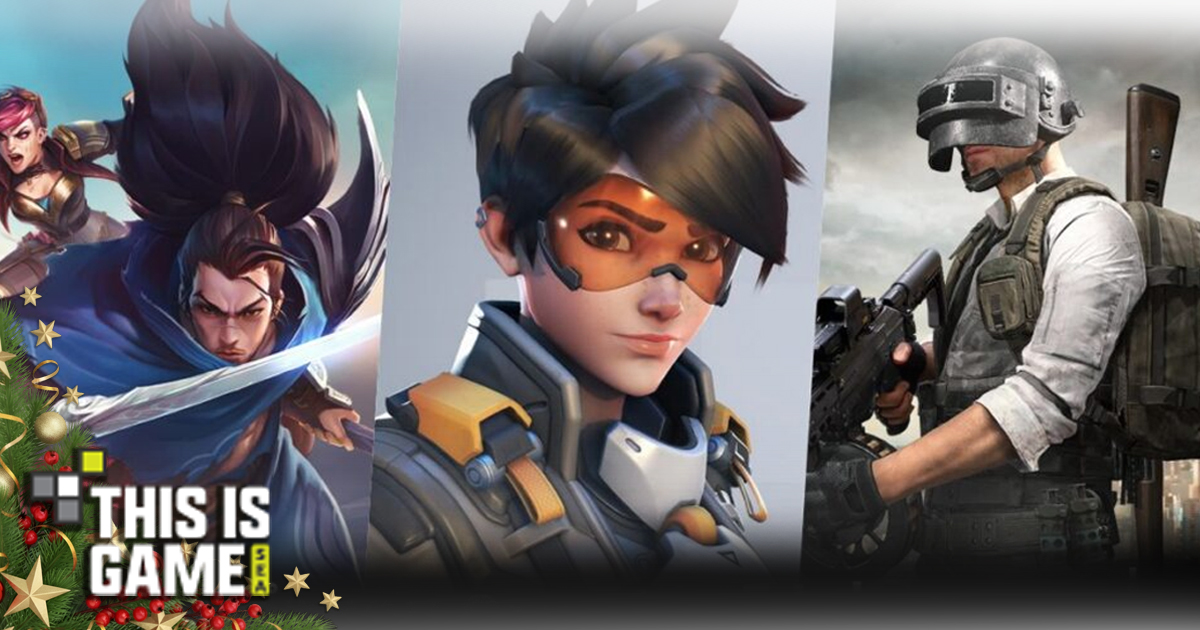
Smurfing—when highly skilled players create new accounts or intentionally drop to lower ranks—is one of the most talked-about behaviors in online gaming. This occurs across genres like MOBAs, FPS, and Battle Royale titles. While it can negatively impact matchmaking and frustrate newer players, there are multiple reasons why players continue to engage in this practice. Here’s a detailed look at why players often “drop ranks to start over” and what drives them.
1. Stress Relief – Winning Without Pressure
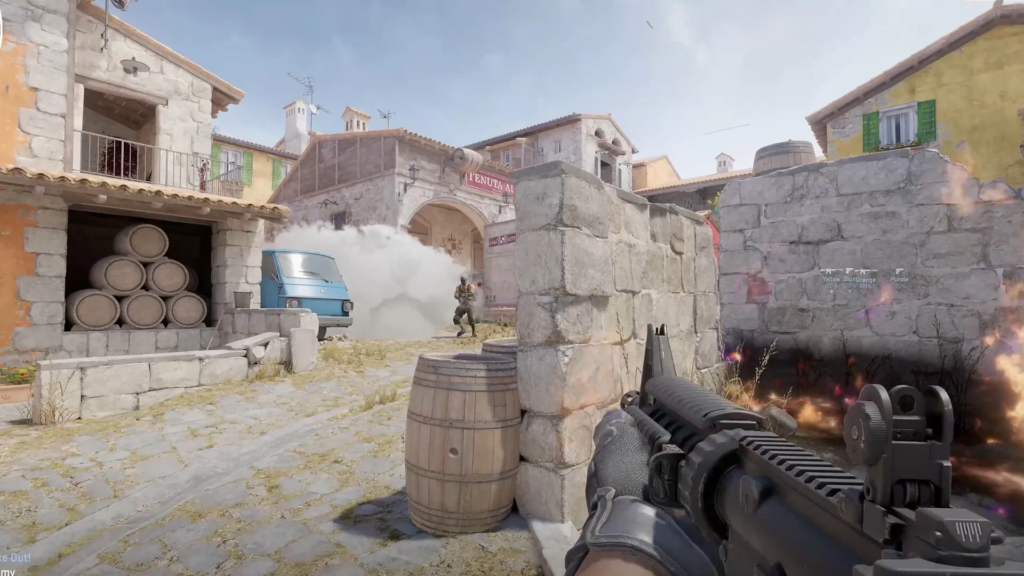
Many players smurf to escape the pressure of their main rank. When facing consecutive losses or critical teammates, some seek a “safe space” where they can play without overthinking. Dropping to a lower rank allows them to feel in control, win more easily, and relieve tension temporarily. While unfair to newcomers, this quick sense of accomplishment offers a mental break from high-pressure competitive play.
2. Test Personal Improvement
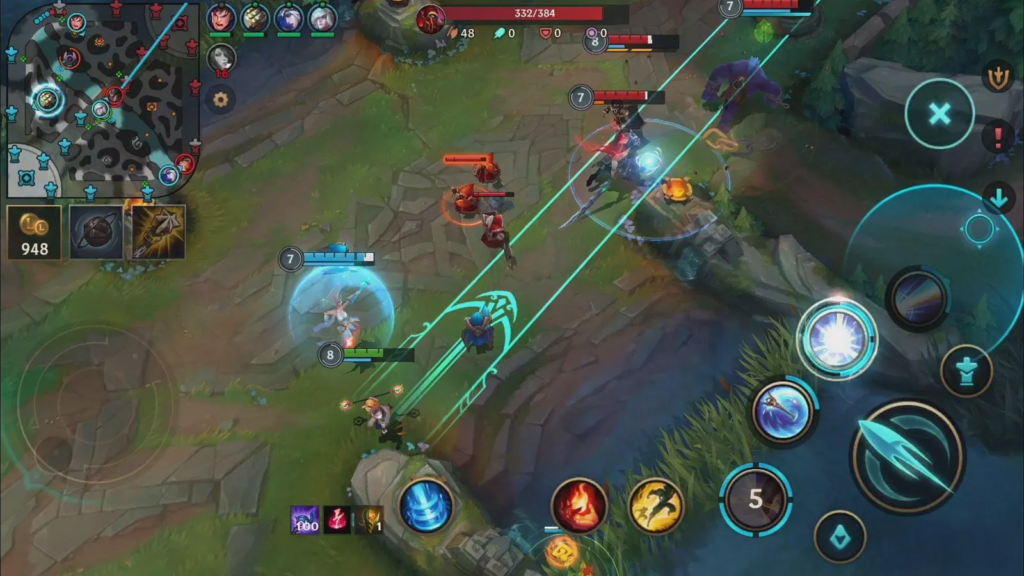
Smurfing can serve as a personal benchmark. In their main rank, progress may be hard to notice due to equally skilled opponents. Playing in lower ranks provides immediate feedback on improved mechanics, game sense, or decision-making. Seeing themselves outperforming players who were once challenging serves as psychological proof of growth, motivating continued improvement.
3. Escape Perceived Unfair Matchmaking
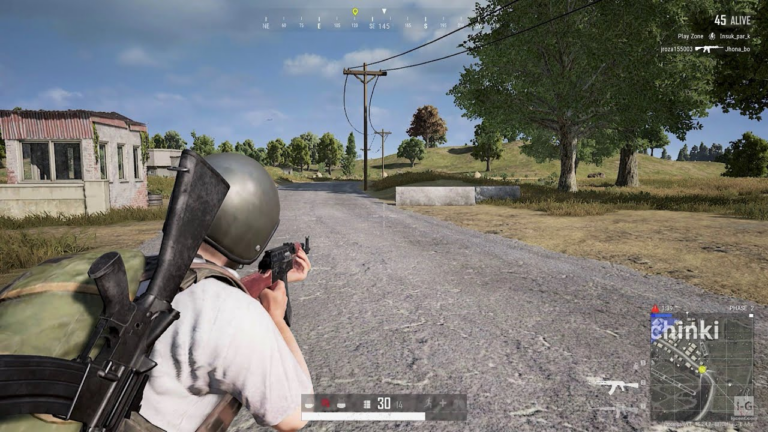
Some players feel their main rank matchmaking is unbalanced, whether due to uneven team skill, MMR drops from losing streaks, or uncooperative teammates. Smurfing provides a fresh start in what feels like a fairer environment, free from previous frustrations. Although it doesn’t fix matchmaking issues, it gives a sense of control and fairness.
4. Play with Lower-Ranked Friends
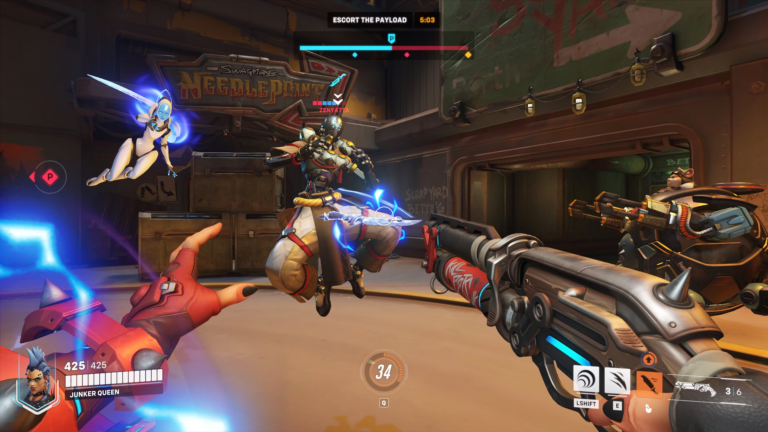
Smurfing is often used to play alongside friends who are new or lower ranked. Rank restrictions in many games prevent high-level players from joining matches with beginners. Creating a secondary account allows friends to play together comfortably, teach basics, and enjoy casual gaming without pressure.
5. Content Creation
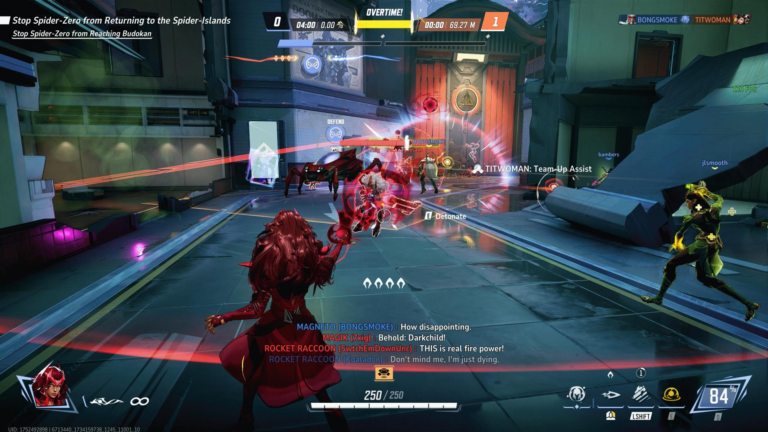
For content creators, smurfing can generate engaging material. It allows them to showcase skills against less experienced players, simulate humorous “beginner fails,” or teach techniques in an easier-to-follow environment. This strategy enhances entertainment value and reduces stress while filming gameplay, even if it impacts game balance.
6. Test New Meta or Heroes
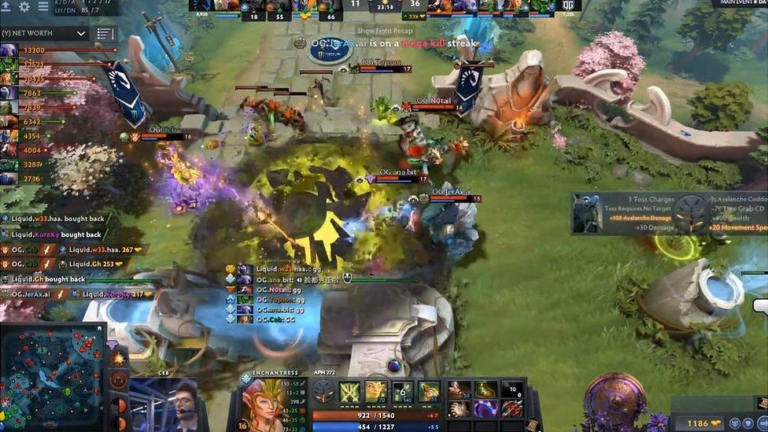
Trying out new strategies, heroes, or items in a main rank can be risky. Smurfing provides a low-pressure environment to experiment freely, learn combos, and practice unfamiliar characters without affecting main-rank standings. This practice helps players refine skills before applying them in competitive matches.
7. Ego Boost
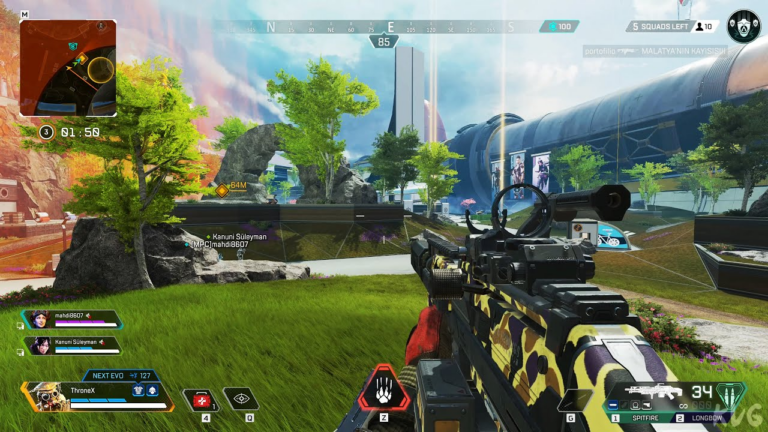
Some smurf purely for psychological satisfaction. Facing less skilled opponents allows players to feel superior, gain confidence quickly, and enjoy smooth gameplay. This temporary boost satisfies ego and encourages repeated smurfing, even though it doesn’t reflect true skill in competitive play.
Conclusion
While smurfing may appear trivial to some, its impact on new players and matchmaking balance is significant. The behavior stems not only from a desire to dominate but also from emotional needs, stress management, and social motivations. The most effective solutions involve designing systems that allow players of all skill levels to enjoy the game without resorting to smurfing.
Features / Key Takeaways
- Smurfing provides stress relief and quick wins.
- Acts as a personal skill benchmark.
- Offers an escape from unfair matchmaking.
- Allows playing with friends of lower skill.
- Supports content creation and experimentation.
- Enables safe testing of new strategies or heroes.
- Boosts ego temporarily and satisfies psychological needs.
This structured breakdown highlights why smurfing persists in online games and provides insight into player psychology behind this controversial behavior.