Nintendo Intensifies Crackdown on Switch Emulators, Nearly Wiping Them from the Market
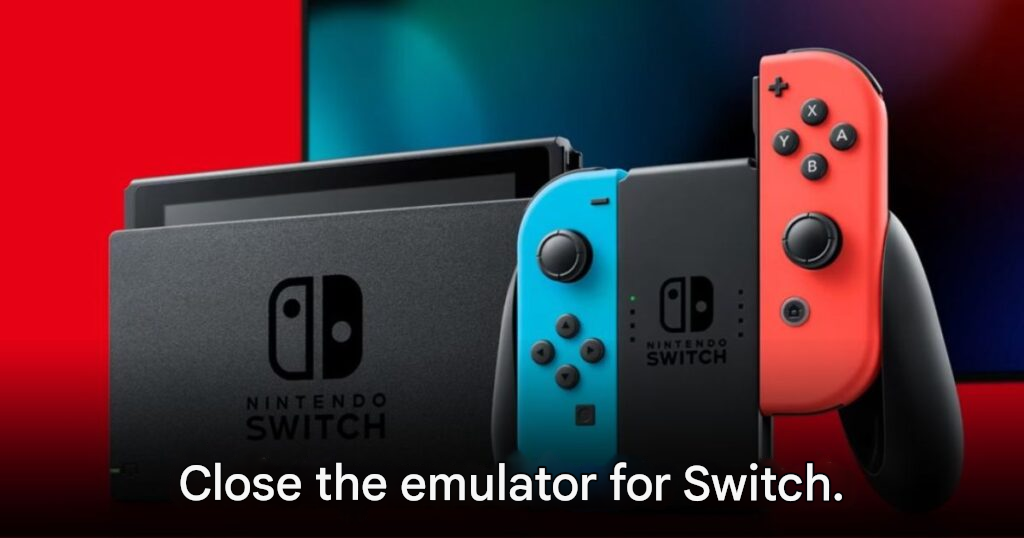
Nintendo Escalates Major Crackdown on Switch Emulators
The long running conflict between Nintendo and emulator developers has once again intensified. In early 2026, Nintendo issued a wave of DMCA takedown notices targeting nearly all remaining Nintendo Switch emulators still available to the public.
Projects such as Eden, Citron, Kenji-NX, and MeloNx have reportedly received formal notices requiring immediate removal from GitHub. This follows Nintendo’s earlier actions in 2024, when high profile emulators like Yuzu and Ryujinx were effectively shut down.
A Wider and More Aggressive Sweep
This latest operation appears broader and more aggressive than previous efforts. The takedowns cover both PC and mobile platforms, including popular Android focused emulators that had gained significant traction among users.
While fragments of source code may still be accessible through mirrors or forks, industry analysts believe it is only a matter of time before these remnants disappear entirely. As history has shown, Nintendo tends to pursue enforcement until projects are fully dismantled or rendered inactive.
Nintendo’s Legal Position Remains Firm
Nintendo continues to argue that these emulators violate copyright law by circumventing technical protection measures, particularly through the use of prod.keys that allow legitimate game software to run on unauthorized hardware.
Although emulator developers often claim that their software does not distribute copyrighted game files, Nintendo maintains that tools designed to bypass console security systems are unlawful by nature. This stance was reinforced by the Yuzu case, which ended with a settlement reportedly worth 2.4 million USD.
Protecting More Than Just the Current Generation
Many observers believe this renewed crackdown is not solely about protecting the current Switch ecosystem. Instead, it may be a preemptive move to safeguard Nintendo Switch 2, which is widely expected to launch in the near future.
If emulator technology for the original Switch continues to advance, it could potentially accelerate the development of emulation solutions for Nintendo’s next hardware. By shutting down foundational projects now, Nintendo may be attempting to slow or prevent early emulator breakthroughs for its upcoming system.
A Conflict With No Clear End
Despite Nintendo’s legal victories, many in the gaming community view this as an endless cycle. When one emulator is shut down, new projects or code forks often emerge shortly after. Some developers may shift to private servers or decentralized hosting, making enforcement more difficult but also increasing risks for users, including malware and unsafe downloads.
For Nintendo, however, the stakes are extremely high. With intellectual property worth billions of dollars globally, aggressive legal enforcement remains a key strategy. This latest wave of takedowns sends a clear message that any attempt to challenge Nintendo’s hardware security will face serious legal consequences.
Origin: Dsogaming