AI-Driven RAM Price Surge May Delay Next-Gen Console Launches
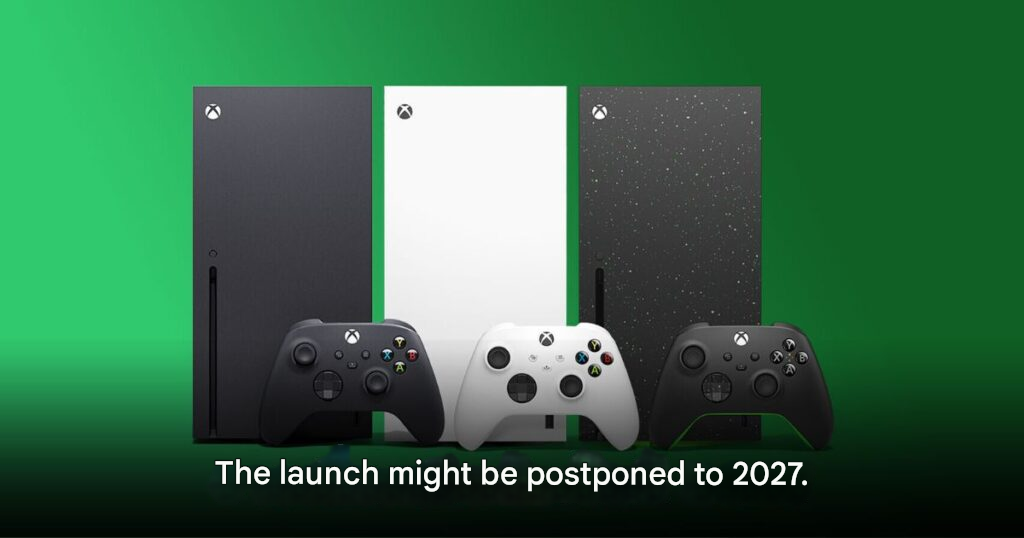
Impact Could Extend to Both Upcoming and Current-Generation Consoles
According to a report from Insider Gaming, the continued surge in RAM prices, driven by overwhelming demand from the AI industry, could force game console manufacturers to delay the launch of their next-generation hardware. The issue was first highlighted during the Insider Gaming Weekly show in mid-December 2025, sparking concern among gamers eagerly awaiting the next wave of console innovation.
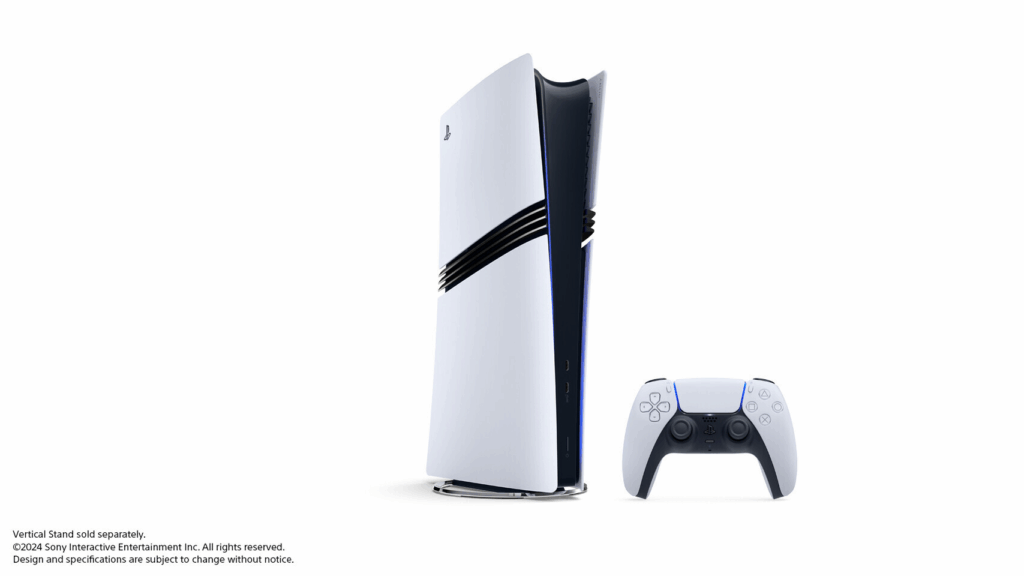
Industry sources suggest that senior executives across the gaming hardware sector are now holding serious discussions regarding RAM supply constraints and their impact on large-scale console production. Manufacturers are under pressure to keep retail prices competitive, and the rapidly increasing cost of memory components has become a major obstacle. This situation is not only affecting future consoles but could also result in price increases for current-generation systems such as the PlayStation 5 and Xbox Series X sometime in 2026.
Over the past several months, the price of RAM particularly DDR5 modules has reportedly risen by several hundred percent. This spike is largely attributed to major technology companies aggressively stockpiling memory for AI data centers and large-scale AI workloads. With no signs of AI demand slowing down, the ongoing RAM shortage may persist and evolve into a long-term bottleneck for the consumer hardware market.
A Difficult Decision for Console Manufacturers
This situation places console makers in a difficult position. Historically, console hardware has often been sold at slim margins or even at a loss during the early stages of a generation to attract users. However, as RAM now accounts for a growing share of production costs, next-generation consoles which are already expected to be more expensive than their predecessors risk becoming too costly for mass-market consumers if launched on the original schedule.
Insider sources indicate that manufacturers are actively debating whether to delay the next console generation, including systems widely speculated to be the PlayStation 6 and a new Xbox, beyond the previously expected 2027–2028 window. The goal would be to wait until major memory suppliers expand production capacity, allowing prices to stabilize and eventually decline. At present, however, there is no clear timeline for when the situation may improve.
Regardless of the final outcome, analysts warn that over the next two to three years, consumers in the SEA Region and globally may continue to face elevated console prices, even for existing hardware. The ripple effects of the AI revolution are no longer limited to enterprise technology—they are now reshaping the gaming industry and directly impacting how, when, and at what price gamers can enjoy their favorite platforms.
Origin: Insider-Gaming