Lenovo Brings Legion Go 2 with SteamOS This June as Valve Expands Linux Gaming Ecosystem
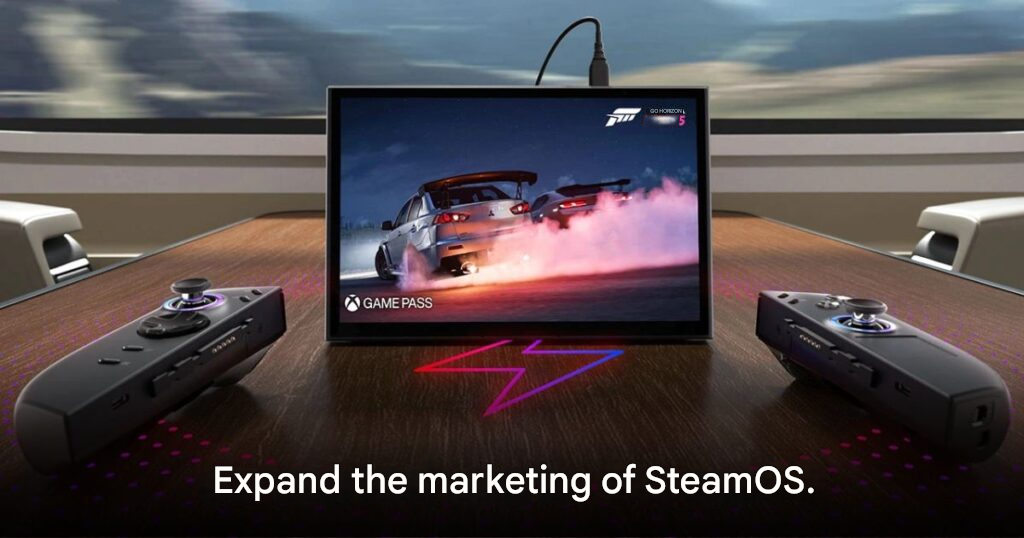
At CES 2026, Lenovo officially announced a major partnership with Valve that signals a new chapter for handheld PC gaming. The company confirmed that its flagship gaming handheld, Legion Go 2, will launch a dedicated version preinstalled with SteamOS this coming June. This move highlights the growing confidence hardware manufacturers now place in Valve’s Linux based gaming operating system, which until recently was largely associated only with Steam Deck.
The SteamOS powered Legion Go 2 retains the same high end specifications found in its standard model. The device is equipped with the Ryzen Z2 Extreme processor, 32 GB of LPDDR5X memory, and a vibrant 8.8 inch OLED display designed to deliver rich colors and smooth gameplay. The starting price is set at 1,199 USD, slightly higher than the Windows version, but many analysts believe SteamOS offers better performance efficiency and smoother system responsiveness for handheld gaming.
Beyond Lenovo’s hardware announcement, Valve also shared encouraging updates about the future of SteamOS itself. The company revealed plans to expand SteamOS support to Arm based chipsets in the near future. One of the first projects using this approach is a new VR headset known as Steam Frame, which is powered by a Snapdragon 8 Gen 3 processor. Valve engineers confirmed that once development is complete, SteamOS could potentially be installed across a wide range of Arm devices, including smartphones, tablets, and mobile style gaming consoles.
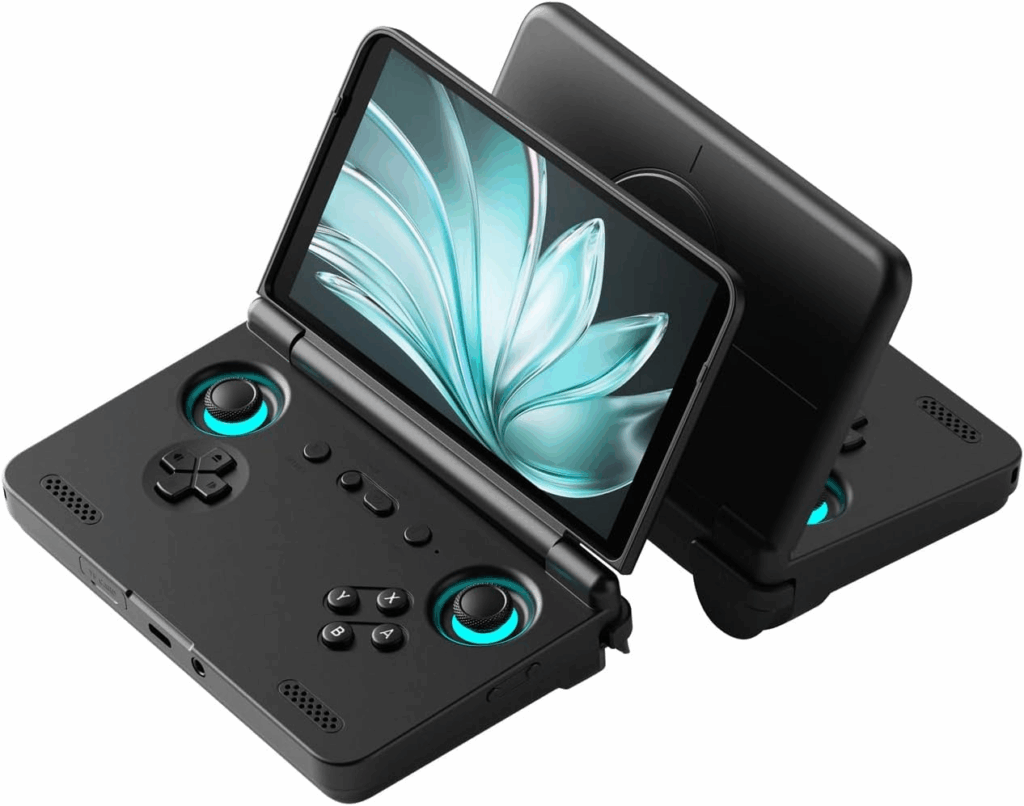
This expansion into the Arm ecosystem is seen as a smart long term strategy. Arm based devices are known for improved power efficiency, compact designs, and potentially more accessible pricing. Valve has also been developing a translation layer known as FEX, which allows traditional x86 games to run more smoothly on Arm hardware. According to Valve, the goal is to ensure gamers can access their Steam libraries across many types of devices without barriers.
That said, Valve acknowledged that some challenges remain. Desktop PC users relying on Nvidia graphics cards may experience limitations, as open source driver optimization for Nvidia hardware is still in its early stages. In contrast, AMD based systems currently offer a more complete and stable experience on SteamOS. For users who value consistency today, AMD powered handhelds and devices designed specifically for SteamOS remain the safest choice.
Overall, 2026 is shaping up to be a milestone year for Linux based gaming. With powerful handhelds, growing hardware partnerships, and expanding platform support, SteamOS is steadily moving from a niche option to a mainstream alternative. For gamers in the SEA Region looking for smoother handheld experiences beyond traditional operating systems, Legion Go 2 with SteamOS may be one of the most exciting releases of the year.
Source: Ars Technica